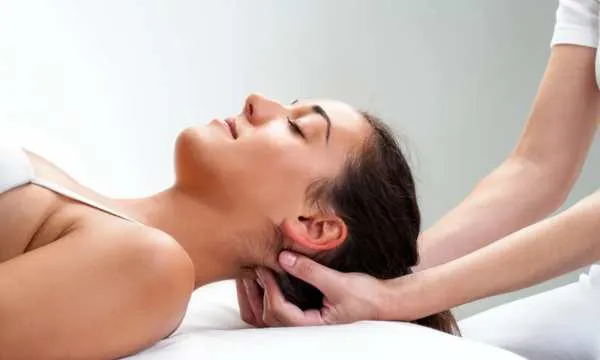
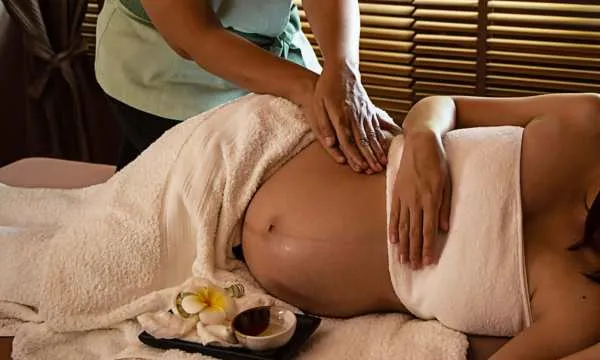
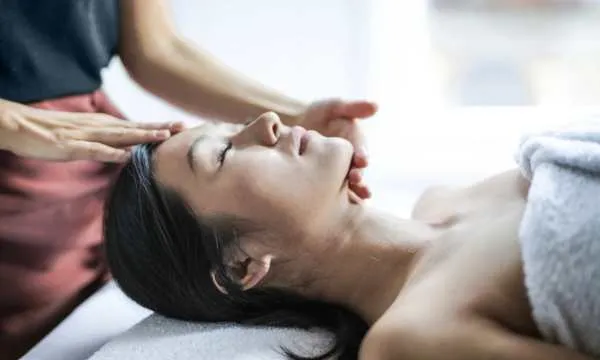
Shiatsu massage represents one of the most powerful healing techniques you can offer your clients for comprehensive wellness and pain relief.
Ad
This ancient Japanese practice combines traditional wisdom with modern therapeutic understanding to create transformative healing experiences.
As a massage therapist, mastering these techniques will significantly enhance your ability to address client needs effectively.
Ad
Furthermore, the growing demand for holistic wellness solutions makes Shiatsu skills increasingly valuable in today’s competitive market.
Moreover, integrating these methods into your practice will set you apart as a practitioner who understands both traditional healing and contemporary therapeutic approaches.
Ad
Learn About Shiatsu Massage and Its Benefits
Shiatsu massage originated from ancient Chinese healing practices and evolved into a distinctive Japanese therapeutic system that focuses on energy flow restoration.

This technique uses finger pressure, palm compressions, and gentle stretching to stimulate the body’s natural healing mechanisms through specific pathways called meridians.
The primary benefits include improved circulation, reduced muscle tension, enhanced immune function, and better sleep quality for your clients seeking natural wellness solutions. Additionally, regular Shiatsu sessions help balance the nervous system and promote emotional stability.
Unlike other massage modalities, Shiatsu works on both physical and energetic levels, making it particularly effective for clients dealing with stress related conditions.
The technique requires no oils or lotions, allowing you to work through comfortable clothing while maintaining professional boundaries and client comfort throughout the session.
Tip: Always begin your Shiatsu session by observing your client’s breathing patterns and overall energy levels to customize your approach effectively.
Understand the Meridians and Key Points in Shiatsu Practice
Meridians represent invisible energy pathways that connect different organs and body systems, serving as the foundation for all effective Shiatsu massage techniques.
Understanding these twelve primary meridians allows you to address specific health concerns by targeting appropriate pressure points along each pathway systematically.
-
Lung meridian runs from chest to thumb for respiratory issues
-
Heart meridian extends from armpit to pinky finger for emotional balance
-
Stomach meridian travels from face to second toe for digestive support
-
Kidney meridian flows from sole to chest for energy restoration
-
Liver meridian connects big toe to ribcage for detoxification
Key pressure points, known as tsubo, require gentle yet firm pressure applied for approximately thirty seconds to achieve therapeutic effects. These points often feel slightly tender when pressed correctly, indicating energy blockages that need attention during your treatment sessions.
Practice identifying these points through palpation techniques, starting with easily accessible locations like the shoulders, hands, and feet before progressing to more complex areas.
Consistent practice will develop your sensitivity to energy imbalances and improve your ability to locate treatment points accurately during client sessions.
Shiatsu for Specific Pains: Back, Cervical, and Lumbar
Back pain treatment through Shiatsu focuses on the Bladder meridian, which runs parallel to the spine and connects to numerous organ systems. Apply sustained pressure along this meridian using thumbs or palms, working systematically from the neck down to the sacrum area.
-
Use perpendicular pressure rather than sliding motions for maximum effectiveness
-
Hold each point for 5-7 seconds before moving to the next location
-
Work both sides of the spine equally to maintain balance
-
Include hip and gluteal points for comprehensive lower back relief
Cervical pain requires gentle attention to the Gallbladder meridian points located around the neck, shoulders, and base of the skull area. These techniques help release tension from computer work, poor posture, and stress related muscle tightness that affects many modern clients.
Lumbar region treatment combines pressure point work with gentle stretching movements to improve flexibility and reduce pain patterns. Focus on the kidney and bladder meridian points in the lower back while incorporating hip mobilization techniques for comprehensive relief.
Shiatsu for Anxiety, Insomnia, and Emotional Balance
Anxiety responds well to Heart and Pericardium meridian treatments, which help regulate emotional states and promote feelings of calm and security. These meridians run along the inner arms and connect directly to the emotional centers of traditional Chinese medicine understanding.
Insomnia treatment focuses on Kidney meridian points, particularly those located on the feet and lower legs, which help ground excessive mental energy.
Additionally, work with Liver meridian points to address the underlying tension and frustration that often contribute to sleep disturbances in stressed clients.
Gold Tip: Create a peaceful environment with soft lighting and gentle background music to enhance the relaxation response during emotional balancing sessions.

Shiatsu-massage-technique-(Source-Google)
Other Basic Shiatsu Techniques for Professionals
Palm pressure techniques provide broader stimulation than finger pressure, making them ideal for larger muscle groups and initial client assessment phases.
Use your entire palm to apply steady, even pressure while maintaining proper body mechanics to prevent therapist fatigue during longer sessions.
Thumb walking involves moving thumbs along meridian pathways in small, systematic steps while maintaining consistent pressure throughout the movement sequence.
This technique proves particularly effective for detailed work along the spine, arms, and legs where precision targeting is essential.
Stretching integration enhances traditional pressure point work by improving joint mobility and muscle flexibility during the same treatment session.
Combine passive stretches with meridian stimulation to address both structural and energetic imbalances that contribute to client discomfort and dysfunction.
The art of Shiatsu lies not in the strength of pressure applied, but in the quality of attention and intention brought to each therapeutic touch.
Tips for Shiatsu Massage Sequences in a Session
Begin every session with gentle assessment touches to evaluate your client’s energy levels, tension patterns, and areas requiring special attention. This initial evaluation period allows you to customize your treatment approach and establish therapeutic rapport before proceeding with deeper work.
-
Start with back work in prone position for relaxation
-
Move to sidelying position for hip and shoulder access
-
Finish with supine work for face, neck, and front meridians
-
Allow 5-10 minutes rest time after treatment completion
Maintain consistent rhythm and flow throughout your session by planning smooth transitions between different body positions and treatment areas.
This continuity helps clients maintain relaxation states while ensuring comprehensive coverage of all relevant meridian pathways and pressure points.
End each session with gentle integration touches and brief client feedback to assess treatment effectiveness and plan future sessions accordingly.
Document your observations and client responses to track progress and refine your treatment approaches over multiple sessions for optimal therapeutic outcomes.
Your clients will appreciate the comprehensive care that Shiatsu provides, and you’ll find satisfaction in offering treatments that truly make a difference in people’s lives.