Football clubs have transformed themselves into true global powerhouses.
Ad
Today, they generate billions through sponsorships, sports broadcasting, and commercial revenues.
Some institutions have already reached figures comparable to those of major global corporations.
Ad
While supporters follow goals and trophies, a massive financial structure operates behind the scenes.
The strength of these brands extends beyond borders and reaches millions of people around the world.
Ad
But how did the biggest football clubs manage to build empires capable of generating so many billions?
How Football Clubs became Billion Dollar Powerhouses
For a long time, the primary source of income for football clubs was linked to ticket sales.
With the growth of modern football, that reality changed completely.
Today, the biggest teams operate like major corporations and invest heavily in sports marketing and international expansion.
Much of this growth has been driven by broadcasting rights, which have become the basis of multi-billion dollar contracts.
Global sponsorships have also gained importance and turned into one of the largest revenue sources for football giants.
Another important factor is the sale of official merchandise, including jerseys, special collections, and various licensed products.
Social media has also helped expand the reach of clubs.
This enormous digital presence increases brand exposure and attracts even more commercial partners.

Real Madrid: A Global Revenue Machine
Revenue 2024/25: €1.16 billion
The main pillars of this success include:
- Modernization of the Santiago Bernabéu
- International sponsorships
- Licensed merchandise
- Champions League
- Global fan base
When it comes to revenue generation, few football clubs can compete with Real Madrid.
A large part of this performance is linked to the strength of its global brand.
Millions of supporters follow the club daily in different regions around the world.
The sale of official products continues to generate extremely important revenues for the institution.
Another key advantage is the Santiago Bernabéu.
After its modernization, the stadium began operating as a true entertainment hub throughout the year.
Events, exclusive experiences, and new commercial opportunities have significantly increased revenues.
Manchester City: The Power of Modern Investment
Revenue 2024/25: €829 million
The main factors driving its revenues include:
- City Football Group
- International sponsorships
- Sporting performance
- Modern management
- Global brand expansion
Manchester City is often cited as one of the greatest examples of modern football growth.
Over recent seasons, the club has consolidated its place among the world’s leading sporting and financial powers.
Much of this success is linked to the structure created by the City Football Group.
The organization includes football clubs in different countries and strengthens the brand’s international presence.
Success achieved on the pitch has also played an important role.
Another distinguishing factor is the ability to combine business innovation with sporting success.
The club continuously invests in technology, infrastructure, and international expansion.

FC Barcelona: Brand Strength and Global Reach
Revenue 2024/25: €975 million
The club’s main financial engines include:
- Established global brand
- Millions of supporters
- International sponsorships
- Licensed merchandise
- Camp Nou modernization
FC Barcelona remains one of the most recognized sports institutions in the world.
Its influence goes far beyond the results achieved on the pitch.
Over the decades, the club has built a powerful global brand that crosses borders and generates enormous commercial interest.
Millions of supporters follow Barça daily across different continents.
This massive community helps drive sales of jerseys, official merchandise, and club related experiences.
International sponsorship agreements also represent an important source of revenue.
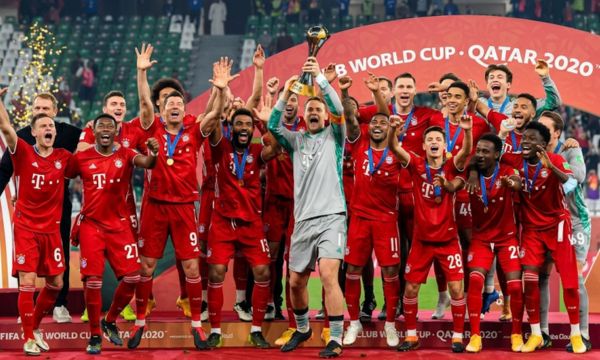
Bayern Munich: Financial Management as a Competitive Advantage
Revenue 2024/25: €860 million
The pillars of Bayern’s financial model include:
- Cost control
- Low debt levels
- Strategic sponsors
- Allianz Arena
- European competitions
Bayern Munich is often regarded as one of the best managed football clubs in the world.
While many teams depend on major financial injections, Bayern has built its strength through solid management.
The club maintains strict financial discipline and avoids excessive risk.
Another key advantage is its strong relationship with some of Germany’s largest companies.
These partnerships strengthen its commercial revenues and ensure financial stability.
The Allianz Arena also plays an important role in this model.
The stadium regularly attracts large crowds and generates consistent revenues throughout the season.
Paris Saint-Germain: The Impact of Major Sponsorships
Revenue 2024/25: €837 million
The factors that most strongly drive the club’s revenue include:
- International sponsorships
- Global brand presence
- Premium hospitality
- International markets
- Attracting major stars
Paris Saint-Germain has secured its place among the richest football clubs on the planet.
In recent years, the club has undergone an impressive financial and commercial transformation.
Its strategy was based on building a strong international brand.
The city of Paris has also contributed to this growth.
The French capital attracts companies interested in associating their brands with the club.
Global sponsorship agreements account for a significant share of its revenues.
In addition, the constant presence of world class players has helped expand its international visibility.
Today, the club is viewed as one of the most valuable and influential sports brands in modern football.
What makes a Football Club Worth Billions
When investors and analysts evaluate the value of a club, trophies are only part of the equation.
Several factors help determine an institution’s true financial potential.
Among the main elements evaluated are:
- Recurring annual revenue
- Global brand strength
- Number of supporters
- Infrastructure and stadium
- Commercial sponsorships
- Broadcasting rights
- Sporting performance
- Digital presence
- International expansion
- Financial health
The combination of these factors helps explain why some teams are able to reach such extraordinary valuations.
Football clubs such as Real Madrid, Barcelona, Bayern Munich, Manchester City, and PSG already operate as true global entertainment companies.
In addition, the growing digitalization of sports has opened new monetization opportunities.
Today, a strong social media presence can generate enormous value for a club.