Digital fatigue can appear even when you don’t realize how much time you spend in front of screens.
Ad
Your brain receives stimuli almost all day long.
Messages, videos, alerts and social media constantly compete for your attention.
Ad
The problem may not be only the amount of time you spend using screens.
The way you interact with each piece of content can also make a difference.
Ad
And some signs seem so common that they end up going unnoticed.
What is Digital Fatigue and Why does it Happen

Digital fatigue is a feeling of tiredness after spending a lot of time using phones and other devices.
The problem isn’t only screen time, but also the constant stimuli you receive.
Working on a computer requires attention, while messages and notifications can interrupt that focus.
These interruptions increase attention switching, causing the brain to alternate between tasks.
That’s why digital fatigue also depends on how you distribute your connected time.
Even with little time online, constantly switching between messages, videos and social media can tire your mind.
How Excessive Screen Time can Affect Focus
You start a task, see a notification and quickly respond. Then you return to work and have to remember exactly where you stopped.
This small interruption may seem harmless, but it requires new mental adjustment. The so called task switching has a cognitive cost.
According to the American Psychological Association, switching activities can increase errors and slow down work.
When this happens repeatedly, maintaining concentration can become more difficult.
You may notice that it takes longer to finish simple tasks.
Notifications and Information: When everything Becomes a Distraction
A notification seems small. Even so, it can interrupt an activity that requires concentration.
The problem becomes greater when your phone is always nearby.
Even without immediately opening every alert, you know that something could appear at any moment.
This expectation keeps part of your attention focused on the device.
That’s why reducing interruptions can be a simple strategy against digital fatigue.
Reduce These Interruptions
- Social media notifications
- Promotional alerts
- Updates that can wait
- Sounds from unimportant apps
- Alerts for non-urgent messages
The idea isn’t to abandon your phone. It’s to regain some control over when your attention will be interrupted.
Social Media and the Cycle of Constant Stimuli
Social media offers new content all the time, keeping our attention constantly moving.
You see one post, move to another and immediately find another video.
This flow creates a sequence of fast and varied stimuli, requiring constant adjustments in attention.
When this occupies many moments throughout the day, quieter activities may seem less interesting.
That doesn’t mean social media is bad. The problem lies in excessive and automatic use.
Digital fatigue can increase when every free moment becomes an opportunity to pick up your phone.
Creating screen free breaks helps recover mental space.
Signs that You may Be Experiencing Digital Fatigue
Digital fatigue can manifest in different ways.
Some signs are related to attention, while others involve feeling tired after long periods of being connected.
Look out for Some Signs
- Difficulty maintaining focus
- Feeling mentally tired
- Constant need to switch between activities
- Irritation with frequent interruptions
- Automatic urge to check your phone
- Difficulty slowing down after using screens
Another point deserves attention: screen use close to bedtime.
Exposure to screen light and stimulating content can make it harder to relax before going to sleep.
How to Reduce Digital Stimuli during the Day
Fighting digital fatigue doesn’t mean abandoning technology.
Small changes can already make your routine feel lighter. Try this step by step approach:
- Set times to check messages and social media, avoiding constant checking.
- During important tasks, keep your phone away or activate Do Not Disturb mode.
- Close unnecessary tabs to reduce distractions and stimuli during your activities.
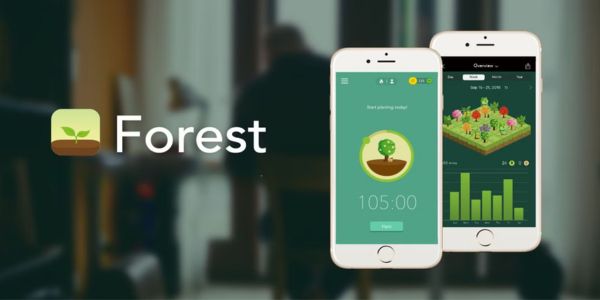
- Use the Forest app to create periods of concentration and put your phone aside.
- Take short screen free breaks to walk, have coffee or simply breathe.
- At night, reduce device use to make the transition to rest easier.
The idea isn’t to live disconnected, but to create real moments of rest for your attention.
Simple Habits to Regain Concentration
Regaining focus can start with simple habits in the way you use technology.
Some simple habits can help:
- Take visual breaks by looking away from the screen regularly.
- Work in blocks of time with a defined goal.
- Alternate digital tasks with activities done away from screens.
- Keep only the resources you need open while working.
These breaks help create a less automatic relationship with your devices and make screen use more intentional.
Digital fatigue doesn’t have to control your routine. Small changes can make your day feel lighter.
You can also choose when to disconnect and give your mind a real break.
When it’s Time to Rethink your Relationship with Screens
Perhaps the biggest sign of digital fatigue is realizing that you have difficulty going a few minutes without stimulation.
If every break ends with your phone, it may be worth observing this habit.
It’s also worth paying attention when screen use begins to interfere with tasks, rest or moments of concentration.
Another sign is feeling the need to constantly check whether something new has appeared.
In that case, the problem may have less to do with the device itself and more with your pattern of use.
Ask Yourself some Questions
- Can I work without constantly checking my phone?
- Do I have moments during the day that are truly away from screens?
- Do I use social media without realizing how much time has passed?
- Can I relax without needing digital content?
- Do notifications frequently interrupt my tasks?
If several answers concern you, it may be time to reorganize your digital habits.
You don’t need to abandon technology. The goal is to make screens tools, not constant sources of stimulation.
If these signs affect your routine, sleep or concentration, seek a healthcare professional.
Start slowly and give your mind some breaks: your well being also deserves to stay offline.