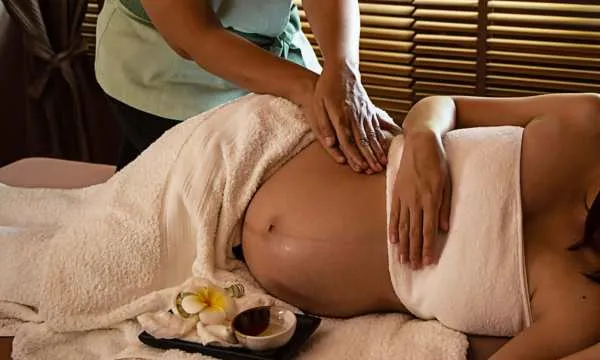
Myofascial release techniques have revolutionized the way therapists approach muscle dysfunction, offering profound relief opportunities that traditional methods simply cannot match.
Ad
As a massage therapist, you understand that your clients depend on your expertise to address complex muscular issues that affect their daily lives and overall wellbeing.
Moreover, the growing demand for specialized therapeutic approaches means that mastering advanced myofascial release methods positions you at the forefront of your profession.
Ad
Furthermore, these sophisticated techniques not only enhance your treatment outcomes but also increase client satisfaction and referrals, directly impacting your practice’s success.
By expanding your skillset with these evidence based approaches, you’ll discover new ways to help clients achieve lasting relief from persistent tension and pain patterns.
Ad
Understand What Myofascial Release is and its Benefits for Clients
Myofascial release represents a specialized manual therapy approach that targets the fascial network surrounding muscles throughout the entire body system.

This comprehensive technique addresses restrictions within the connective tissue matrix that often contribute to chronic pain patterns and movement limitations.
Consequently, therapists who master these methods can provide more effective treatments that address root causes rather than surface symptoms.
The benefits of myofascial release extend far beyond simple muscle relaxation, encompassing improved circulation, enhanced range of motion, and significant pain reduction.
Clients frequently experience lasting relief from chronic conditions that previously seemed resistant to conventional therapeutic interventions and standard massage approaches.
Therefore, incorporating these techniques into your practice creates opportunities for deeper relief or improvement and stronger therapeutic relationships with your clients.
Important: Always assess the client’s fascial restrictions before beginning treatment to customize your approach and achieve optimal results.
Deep Technique for Chronic Tension Relief
Deep myofascial release techniques specifically target chronic tension patterns that have developed over months or years of compensatory movement habits.
This approach requires sustained pressure application combined with client breathing patterns to effectively release deeply embedded fascial restrictions and adhesions.
Additionally, the technique promotes neurological changes that help reset dysfunctional movement patterns and restore optimal tissue function throughout the treatment area.
The implementation of deep release methods involves several key steps that ensure both safety and effectiveness throughout the therapeutic process:
-
Begin with gentle warming strokes to prepare tissues for deeper work
-
Apply sustained pressure using broad hand contacts rather than pointed pressure
-
Maintain pressure for 3-5 minutes allowing fascial unwinding to occur naturally
-
Monitor client breathing and adjust pressure based on their comfort level
-
Follow deep work with gentle integration strokes to consolidate changes
Technique Using Specific Instruments for Precise Results
Instrument assisted myofascial release utilizes specialized tools that enhance the therapist’s ability to detect and address specific fascial restrictions with greater precision.
These tools amplify tactile feedback while reducing strain on the therapist’s hands and joints during extended treatment sessions with multiple clients.
Furthermore, instruments can access areas that may be difficult to reach effectively with manual techniques alone, expanding treatment possibilities significantly.
Professional implementation of instrument assisted techniques requires proper training and systematic application to ensure client safety and therapeutic effectiveness:
-
Select appropriate instruments based on treatment area and client sensitivity levels
-
Apply lubricant to reduce friction and prevent skin irritation during treatment
-
Use controlled pressure and slow movements to detect fascial barriers and restrictions
-
Maintain consistent contact angle to optimize tool effectiveness and client comfort
-
Complete sessions with manual techniques to integrate and solidify therapeutic changes
Technique with Direct Relief in Localized Tension Areas
Direct myofascial release focuses on specific points and localized areas of tension that contribute to regional pain patterns. This targeted approach allows therapists to address particular problem areas with concentrated attention while maintaining awareness of surrounding tissue responses.
Subsequently, clients experience immediate relief in targeted areas while benefiting from improved overall tissue quality and movement coordination throughout connected regions.
Effective direct release technique application follows a structured approach that maximizes therapeutic benefits while ensuring client comfort and safety:
-
Identify specific areas of restriction through palpation and client feedback
-
Apply direct pressure using thumbs, knuckles, or specialized tools as appropriate
-
Hold pressure for 30-60 seconds until tissue softening occurs naturally
-
Release pressure gradually and assess changes in tissue quality and client symptoms
-
Repeat process on related areas to address compensation patterns effectively

Direct-relief-techniques-(Source-Google)
Dynamic Technique for Active Movement in Treatment
Dynamic myofascial release incorporates active movement patterns during treatment to enhance fascial mobility and improve neuromuscular coordination simultaneously.
This innovative approach engages the client as an active participant in their healing process, promoting better body awareness and movement quality.
Moreover, dynamic techniques help integrate therapeutic changes into functional movement patterns that clients use in their daily activities and work environments.
Implementation of dynamic release techniques requires careful coordination between therapist guidance and client movement to achieve optimal therapeutic outcomes:
-
Position client in comfortable position that allows for safe movement execution
-
Apply gentle sustained pressure to target area while client performs slow movements
-
Guide client through range of motion that challenges restricted fascial barriers
-
Encourage slow, controlled movements that respect tissue limitations and comfort levels
-
Assess movement quality improvements and adjust technique intensity accordingly
Technique with Isometric Compression for Muscle Relief
Isometric compression techniques utilize sustained pressure combined with client muscle contractions to achieve deeper fascial release and improved muscle function.
This method engages the client’s own muscular system to enhance therapeutic outcomes while promoting neuromuscular re-education and improved movement patterns.
Consequently, clients develop better body awareness and gain tools for self management of chronic tension patterns between professional treatment sessions.
Effective implementation of isometric compression requires precise timing and clear communication to coordinate therapist pressure with client muscle activation:
-
Position client appropriately to allow for safe muscle contraction against therapist resistance
-
Apply sustained pressure to target area while instructing client to contract muscle gently
-
Hold contraction for 5-10 seconds followed by complete relaxation and deeper pressure application
-
Repeat contraction relaxation cycle 3-5 times to maximize fascial release and muscle relaxation
-
Complete technique with passive stretching to consolidate gains and improve flexibility
Myofascial Release with Heat and Cold Application
Thermal modalities enhance myofascial release effectiveness by influencing tissue viscosity and promoting circulation changes that support fascial mobility and healing.
Heat application increases tissue extensibility and reduces muscle guarding, while cold therapy helps manage inflammation and provides analgesic effects.
Furthermore, alternating heat and cold applications can create a pumping action that enhances circulation and accelerates healing processes in treated tissues.
Strategic application of thermal modalities requires understanding of physiological responses and appropriate timing to maximize therapeutic benefits throughout the treatment session:
-
Apply heat for 10-15 minutes before manual techniques to prepare tissues for treatment
-
Use warm towels or heating pads at comfortable temperatures that promote relaxation
-
Incorporate cold therapy post treatment to reduce inflammation and provide lasting pain relief
-
Monitor client responses to temperature changes and adjust applications based on individual tolerance
-
Educate clients about home use of thermal modalities to support continued improvement
Mastering these advanced myofascial release techniques transforms your ability to provide exceptional therapeutic outcomes for clients struggling with chronic pain and movement dysfunction.
By integrating these evidence based approaches into your practice, you’ll develop a comprehensive toolkit that addresses the complex nature of fascial restrictions and their impact on overall health.