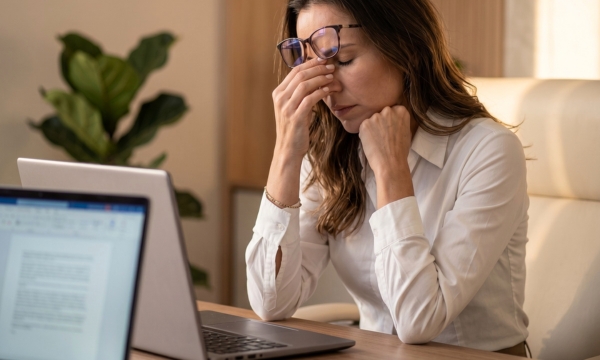
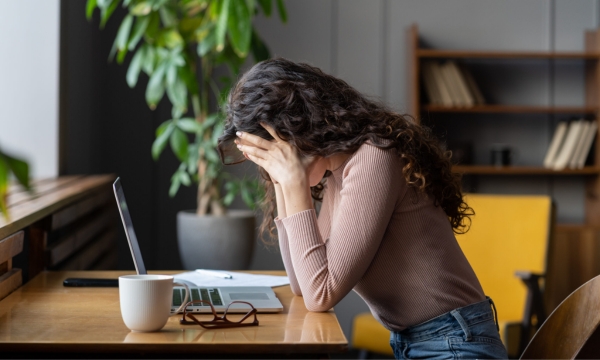
If your routine has been feeling heavy, maybe it is time to reduce stress with small changes.
Ad
Some days seem to start already rushed.
Before even finishing breakfast, many people already feel the need to reduce stress that shows up in the very first hours of the day.
Ad
Messages coming in, things to solve, and a thousand thoughts running through the mind make it enter rush mode before the day has even really begun.
The truth is that stress has become almost a “silent companion” of daily life, and we spend the day trying to handle everything at the same time.
Ad
But here’s an important point: you can reduce stress without making huge life changes, because small adjustments in everyday life can already bring more calm to the mind.
And that is exactly what we are going to talk about here.

Why Modern Life Feels so Stressful
If you feel that life has been more rushed than it should be, know that you are not alone.
Nowadays, everything seems to happen at the same time.
Work, messages, social media, commitments, worries… the mind is almost never truly quiet.
The problem is that the human brain was not made to deal with constant stimuli all the time.
When we are exposed to this fast pace for many hours a day, the body enters a state of constant alert.
It is as if the brain is always expecting something urgent to happen. Over time, this creates a feeling of accumulated mental fatigue.
And when this wear and tear becomes routine, many people begin to realize that they need to find ways to reduce stress before it takes over the entire day.
Small Signs that Stress is Building up
Stress does not always appear in an obvious way. Most of the time it starts with small signs that go unnoticed in the rush of everyday life.
For example, that moment when anything small already irritates you more than it should.
Or when you feel that your head is too full, even without having done anything extremely difficult.
Some signs that may indicate that stress is building up include:
- Getting irritated easily in simple situations
- Feeling mentally tired even after resting
- Having difficulty concentrating on basic tasks
- Noticing that any problem seems bigger than it really is
- Feeling a constant sense of mental tension throughout the day
These signs are the body’s way of warning that maybe it is time to slow down a little.
And many times this begins with small actions that help reduce stress in everyday life.
What Stress can Cause in the Body and Mind
When stress builds up for too long, it does not stay only in the mind. The body also starts to feel the effects.
Symptoms such as headaches, shoulder tension, or difficulty sleeping often appear.
This happens because the body enters a state of prolonged tension.
The brain releases hormones linked to the alert state, as if it were always ready to face some challenge.
The problem is that, when this happens all the time, the body ends up becoming overloaded. The mind feels it too!
It becomes harder to relax, stay focused, or simply enjoy moments of rest.
Simple Habits that Help Calm the Mind
Many people imagine that dealing better with stress requires radical changes. In practice, small daily actions already make a big difference.
Some habits that help a lot include:
- Taking small breaks throughout the day to breathe and relax
- Walking a few minutes to step out of the fast pace of routine
- Maintaining a more balanced sleep routine
- Setting aside time for activities that bring pleasure
- Practicing simple mindful breathing exercises
These small pauses help the body leave the automatic mode of tension.
Over time, these habits can help reduce stress in everyday life.

Everyday Things that Increase Stress without You Noticing
Curiously, stress often does not come only from big problems. Small everyday situations can also increase mental pressure.
A very common example is trying to do several things at the same time.
Answering messages while working, checking notifications while talking, solving different tasks all at once.
This type of behavior creates a feeling of mental overload.
Another factor is the difficulty of truly disconnecting from work. When the mind keeps thinking about tasks all the time, the brain cannot rest.
Noticing these patterns is already an important step toward beginning to reduce stress.
Quick Ways to Relax in Difficult Moments
Everyone has those moments when the day seems to get out of control. At those times, small strategies can help recover a little calm.
One of the simplest is to stop for a few minutes and focus on your breathing.
Breathing slowly helps the body leave the state of tension.
Another idea is to take a small break and step away from the situation for a few minutes.
Sometimes simply changing environments already helps clear the mind.
Some people also like to use apps focused on relaxation.
One example is the Calm app, known for offering guided meditations and quick relaxation exercises.
These tools can help create small moments of pause during the day.

How to Keep Stress from Becoming a Bigger Problem
When stress starts to appear frequently, the most important thing is not to ignore the signs.
The sooner you realize what is happening, the easier it becomes to act before the tension grows.
Small attitudes in daily life already help a lot in keeping the mind more balanced.
Some simple steps can help reduce stress before it turns into something bigger:
- Pay attention to how you feel throughout the day and recognize signs of mental fatigue.
- Take small breaks when you notice that your mind is too accelerated.
- Set clearer limits between work and rest.
- Reserve moments in the day for activities that help you relax.
- Take care of your sleep routine and your rest time.
Start with Small Changes in your Routine
When we talk about well being, many people imagine huge changes.
But in practice, it is the small actions that truly make a difference.
Starting with simple steps already helps a lot.
Setting aside a few minutes of the day to breathe calmly, walk, or simply slow down already changes many things.
And little by little you begin to realize something important: to reduce stress does not mean living without responsibilities.
It means learning to deal with everyday life in a lighter way. Ready to begin?