See where to watch all matches of the FIFA World Cup 2026.
Ad
The tournament promises unforgettable matches and nonstop excitement.
Between June and July, football will take over the routine of fans around the world.
Ad
More apps and streaming platforms will make live access easier than ever.
Knowing where to watch each match can completely improve the experience.
Ad
Here, you’ll discover practical ways to follow every game live from anywhere.
👉 This article is for informational purposes only. Here you will find reliable apps with live game specifications.

How to Follow all Matches Officially
When it comes to following the FIFA World Cup 2026, the most important thing is not memorizing platform names, but understanding which one makes sense for you.
If you usually watch on your phone or smart TV, these are the most commonly used platforms by country:
- United States — FOX Sports App, Peacock, FuboTV, YouTube TV
- Canada — CTV App
- Mexico — TUDN App, ViX
- United Kingdom — BBC iPlayer, ITVX
- Germany — ARD Mediathek
- Sub-Saharan Africa — SuperSport App
- North Africa and Middle East — beIN Connect
- South Asia (selected markets) — Disney+ Hotstar
- Australia — SBS On Demand
In addition, there is FIFA+, the official global platform.
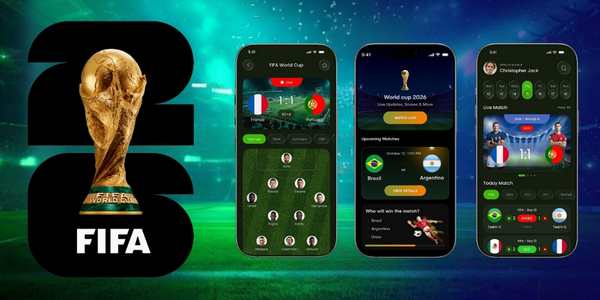
It does not replace regional broadcasts.
Instead, it works as a great complement with official content, interviews, behind the scenes access, and FIFA World Cup 2026 updates.
The New World Cup Format and its Impact on Matches
The FIFA World Cup 2026 is not different only in size. The new format changes the pace and the logic of the competition.
With 48 national teams, the tournament becomes broader and more diverse.
More countries take part, more styles face each other, and more matches gain real importance.
The initial stage is organized into 12 groups of 4 teams. This means every match counts from the very beginning, with little room for error.
The expanded qualification, with the top two teams from each group plus the 8 best third-placed teams advancing, keeps more teams alive until the end of the group stage, but does not reduce the pressure.
With the knockout stage starting earlier, any slip can be decisive.
The result is a FIFA World Cup 2026 with an intense rhythm, fewer pauses, and much more unpredictability.
Qualified Countries and Group Distribution
This is the part every fan likes to check carefully.
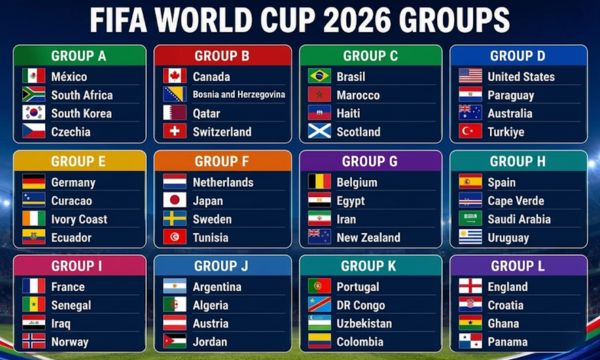
The groups mix historic powerhouses, growing teams, and spots still to be decided. See all the details below:
- Group A: Mexico · South Korea · South Africa · Czechia
- Group B: Canada · Switzerland · Qatar · Bosnia and Herzegovina
- Group C: Brazil · Morocco · Haiti · Scotland
- Group D: United States · Australia · Paraguay · Turkiye
- Group E: Germany · Ecuador · Ivory Coast · Curaçao
- Group F: Netherlands · Japan · Tunisia · Sweden
- Group G: Belgium · Iran · Egypt · New Zealand
- Group H: Spain · Uruguay · Saudi Arabia · Cape Verde
- Group I: France · Senegal · Norway · Iraq
- Group J: Argentina · Austria · Algeria · Jordan
- Group K: Portugal · Colombia · Uzbekistan · Congo DR
- Group L: England · Croatia · Ghana · Panama
Host Cities and Iconic Stadiums
The FIFA World Cup 2026 will take place across three countries: the United States, Mexico, and Canada.
With 16 host cities, the tournament will reach different regions of North America at the same time.
Mexico brings tradition and symbolism:
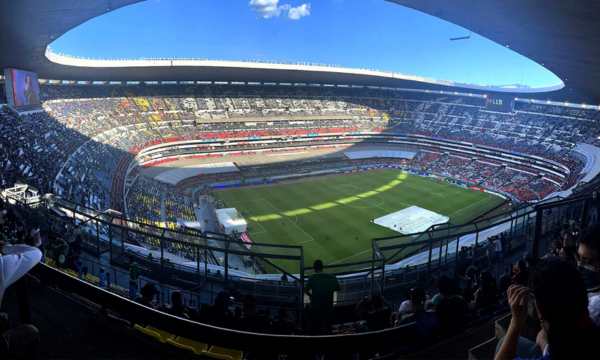
Mexico City (Estadio Azteca), Guadalajara, and Monterrey.
The United States hosts the majority of venues:
Dallas / Arlington, Los Angeles, Miami, Atlanta, New York / New Jersey, Seattle, San Francisco Bay Area, Houston, Kansas City, Philadelphia, and Boston.
Canada completes the map:
Toronto and Vancouver.
The opening match will take place at the Estadio Azteca, while the final will be played at the MetLife Stadium.
Two venues that perfectly represent the mix of history and modernity of this World Cup.
The Role of the Official FIFA App During the Tournament
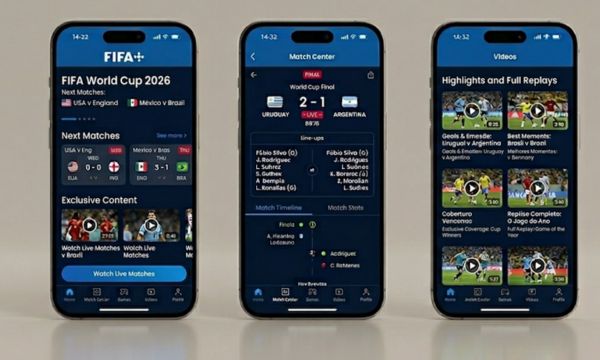
During the FIFA World Cup 2026, the official FIFA app becomes a central tool for fans, acting as a reference point throughout the competition.
It’s where digital tickets are stored, along with official updates, match alerts, news, and essential information about dates, venues, and tournament stages.
Even for those watching matches through regional apps, the FIFA app works as a true support hub, bringing together reliable data and helping fans stay oriented before, during, and after each match.
Useful Information for Those Watching From Abroad
Fans following the FIFA World Cup 2026 from outside their home country need to pay attention to a few details that make all the difference in the experience.
The main one is the time zone, since matches take place in different cities and countries throughout the tournament.
Checking local times in advance helps avoid confusion and missing important games.
Another essential point is regional access.
Even when using global services, some broadcasts may have limitations or catalog variations depending on the user’s location.
With simple planning, the right apps, and clear information, it becomes much easier to follow the matches and enjoy the World Cup smoothly, without stress or last minute surprises.
In the end, my friend, that’s exactly what it’s all about: matches, conversations, expectations, and stories happening all at once.