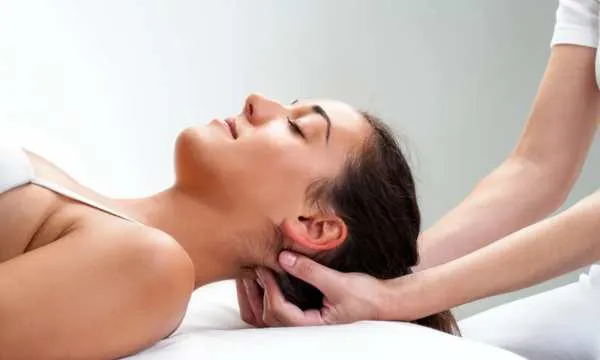
Migraine massage techniques can transform the way your clients experience headache relief, offering them a natural path to comfort.
Ad
As a massage therapist, understanding the specific pressure points and therapeutic approaches for migraines positions you as a valuable healthcare partner in your community.
Recent developments in acupressure and migraine massage therapy have shown remarkable effectiveness in reducing both the frequency and intensity of migraine episodes.
Ad
Your skilled hands can provide immediate relief while also teaching clients self-care techniques they can use at home.
This article will equip you with the knowledge and confidence to help migraine sufferers find the relief they desperately seek.
Ad
Understanding the Causes and Types of Headaches
Before diving into specific techniques, it becomes essential to recognize that headaches manifest in various forms with different underlying causes affecting treatment approaches.

Tension headaches typically result from muscle contractions in the head, neck, and shoulder areas, creating a band like pressure sensation around the entire head.
Meanwhile, migraines involve complex neurological processes that trigger intense, throbbing pain often accompanied by sensitivity to light, sound, and sometimes nausea or visual disturbances.
Cluster headaches present another challenge, characterized by severe pain concentrated around one eye, occurring in cyclical patterns that can last weeks or months.
Secondary headaches stem from underlying medical conditions, medication overuse, or environmental factors like dehydration, stress, or poor posture during daily activities.
Recognizing these differences allows you to customize your approach, making sure every client gets the treatment best suited to their individual headache type.
Additionally, recognizing triggers and patterns in your clients’ headache experiences allows you to provide more comprehensive care and preventive guidance.
Common triggers include hormonal changes, dietary factors, sleep disturbances, weather changes, and emotional stress that accumulates throughout busy daily schedules.
By gathering this information during intake sessions, you can better customize your treatment plans and offer lifestyle recommendations that complement your hands-on work.
Learning the Anatomy of Acupressure Points Related to Headaches
The LI4 point, known as Hegu or “Joining Valley”, sits in the webbing between the thumb and index finger, serving as a powerful gateway for headache relief.
This easily accessible point connects to meridian pathways that influence head and facial pain, making it particularly effective for frontal headaches and general tension relief.
When applying pressure here, use firm, steady compression for thirty to sixty seconds while encouraging your client to breathe deeply and focus on relaxation.
Moving to the neck area, the GB20 points (Feng Chi or “Wind Pool”) rest in the hollows at the base of the skull, approximately two inches apart. These points directly address tension that radiates from the occipital region, often providing immediate relief for headaches that originate from neck stiffness or poor posture.
The suboccipital muscles frequently harbor points that contribute to headache pain, making this area crucial for comprehensive migraine treatment protocols.
The temple region houses the EX-HN5 points (Taiyang or “Sun”), located about a thumb’s width behind the outer corners of the eyes. These points respond well to gentle circular massage motions and can significantly reduce the intensity of temporal headaches and migraines that affect the side of the head.
Furthermore, the ST36 point (Zusanli) on the lower leg, though distant from the head, helps regulate overall energy flow and can support migraine prevention when incorporated into regular treatment sessions.
Advanced Migraine Massage Techniques for Tension Headaches
Tension headache relief begins with addressing the suboccipital muscles at the base of the skull, where chronic tightness often develops from forward head posture.
Use gentle but firm pressure with your fingertips to locate tender points along the occipital ridge, then apply sustained pressure for fifteen to thirty seconds per point.
This technique helps release muscle spasms and improve blood flow to areas that have become chronically contracted due to stress and poor ergonomics.
The trapezius and levator scapulae muscles frequently contribute to tension headaches through referral patterns that extend into the head and temples region.
Begin with broad, warming strokes across the upper back and shoulders, then transition to more specific point work on areas of concentrated tension. Cross fiber friction techniques work particularly well on the upper trapezius fibers, helping to break up adhesions and restore normal muscle length and function.
Scalp massage provides additional relief by increasing circulation and reducing muscle tension in the temporalis and occipitofrontalis muscles that cover the skull.
Use your fingertips to apply gentle pressure in small circular motions, working systematically from the hairline back toward the occipital area. This approach not only addresses physical tension but also promotes relaxation through the release of endorphins and the activation of the parasympathetic nervous system.

Neck-massage-point-(Source-Google)
Professional Migraine Massage Techniques for Severe Episodes
Migraine massage treatment requires a more gentle and cautious approach compared to tension headache techniques, as clients may experience heightened sensitivity to touch and pressure.
Begin with very light effleurage strokes to assess the client’s tolerance and gradually increase pressure only as comfort allows throughout the treatment session. Many migraine sufferers benefit from treatments performed in a dimly lit, quiet environment that minimizes sensory stimulation during their vulnerable state.
Focus on the neck and shoulder regions where muscle tension often accompanies migraine episodes, using slow, rhythmic movements that promote deep relaxation responses.
The craniosacral technique proves particularly beneficial, involving gentle manipulation of the skull bones and sacrum to improve cerebrospinal fluid flow and reduce intracranial pressure.
Temperature therapy can enhance your migraine massage work for optimal relief, with many clients responding well to cool compresses applied to the forehead or temples.
Alternate between gentle massage techniques and periods of still, supportive contact that allows the nervous system to integrate the therapeutic input you’re providing.
How to Create a Welcoming Environment for Patients with Migraines
-
Maintain dim, adjustable lighting that can be further reduced during treatment sessions
-
Minimize background noise and avoid sudden loud sounds that might trigger sensitivity
-
Keep room temperature slightly cool, as many migraine sufferers experience heat sensitivity
-
Offer eye pillows or soft coverings to block out remaining light during treatment
-
Use unscented or very lightly scented products to avoid triggering chemical sensitivities
-
Provide comfortable positioning options including extra pillows for neck and knee support
-
Ensure easy access to restroom facilities as nausea often accompanies migraines
-
Keep tissues readily available for clients who may experience nasal congestion or tearing
Special Care in Migraine Massage Sessions
The gentle power of therapeutic touch can provide hope and relief to those suffering from chronic migraines, offering them a natural path toward better days.
-
Always obtain detailed health history including migraine triggers and medication use
-
Start with extremely light pressure and gradually increase only with client consent
-
Monitor client responses continuously and adjust techniques based on their comfort level
-
Allow extra time for position changes as migraine clients may experience dizziness
-
Keep sessions shorter than usual, typically 30-45 minutes to prevent overstimulation
-
Provide post treatment quiet time for clients to rest before returning to daily activities
-
Document treatment responses to track patterns and refine future session approaches
By understanding the specific needs of migraine sufferers and adapting your approach accordingly, you can provide meaningful therapeutic benefits that extend far beyond temporary pain relief.
Remember that each client’s experience with migraines is unique, requiring patience, flexibility, and ongoing communication to achieve the best possible outcomes.