Lymphatic drainage massage is your key to confident results, happier clients, and stronger skills using gentle, effective.
Ad
In this article, you will refine essential skills, discover subtle improvements, and integrate simple yet powerful strategies that create a noticeable difference in every massage session you perform.
We focus on gentle, evidence based techniques that prioritize client safety and effectiveness, ensuring each session delivers real benefits while maintaining comfort, relaxation, and long term wellness.
Ad
You will learn how adjusting pressure, rhythm, and sequence can transform a standard routine into a polished, professional lymphatic drainage massage that feels natural, flowing, and deeply restorative.
By the end, you will have a clear, step by step framework that seamlessly integrates into your daily practice, enhancing results and efficiency without adding unnecessary complexity or stress.
Ad
The Benefits of Lymphatic Drainage Massage
Lymphatic drainage massage offers much more than immediate relaxation, it gently works on the body to promote balance and well-being.

Its effects go beyond the feeling of lightness, contributing to skin health, swelling relief, and a more harmonious daily routine.
-
Supports gentle fluid mobilization that can ease sensations of puffiness
-
Encourages relaxation through slow, consistent rhythm and soothing touch
-
Helps maintain skin wellness with delicate strokes and suitable emollients
-
Promotes a sense of lightness and ease for daily activities
-
Complements healthy habits such as hydration, movement, and balanced rest
-
May aid comfort in approved recovery contexts when cleared by a healthcare professional
-
Improves body awareness so clients notice early signs of discomfort and fatigue
-
Pairs well with stress management practices to support overall well-being
Advanced Drainage Techniques to Enhance Your Practice
Begin every lymphatic drainage massage with proximal clearing. Open key lymphatic regions near the terminus first, then proceed distally before returning proximally.
This sequence prepares pathways so distal fluid meets less resistance on its return to central drainage. Maintain a light pressure, the lymphatic system sits superficially, and excessive force can reduce effectiveness.
Refine your rhythm and direction for lymphatic drainage massage with slow, elastic, skin stretch movements that follow recognized watershed routes and anastomoses.
Keep strokes unhurried and consistent, pausing briefly at end range. Invite diaphragmatic breathing, as gentle breathing naturally supports abdominal and thoracic lymph flow and elevates relaxation.
Apply sequencing logic for each region. For lower-limb work, clear the inguinal nodes and adjacent territories, then move distally with light, rhythmic strokes before guiding fluid proximally again.
For the upper body, prime supraclavicular and axillary areas prior to addressing the arms and hands. Always adapt techniques to client tolerance and any provider guidance so your lymphatic drainage massage remains comfortable and precise.
Keep a session tempo you can measure: count 4–6 seconds per stroke with a soft return, ensuring skin stretch without sliding.
Boost Results with the Right Products and Equipment
Choose low-residue, hypoallergenic mediums that allow controlled skin stretch without excessive glide.
A light lotion or neutral oil applied sparingly prevents slippage while protecting the skin barrier, in addition, avoid heavy waxes that reduce tactile feedback during lymphatic drainage massage.
Optimize table ergonomics, as an adjustable table height helps you keep shoulders relaxed and wrists neutral, preserving a feather light touch across longer sessions. Use supportive bolsters or pillows for client comfort, especially under the knees or ankles to encourage ease and relaxation.
-
Consider accessories that complement, not replace, skilled hands.
-
Soft, breathable draping materials improve temperature comfort.
-
Keep soft markers or a digital notes app handy.
If exploring specialized devices for lymphatic drainage massage, follow training requirements and scope of practice rules, and collaborate with healthcare professionals when appropriate.

Lymphatic-massage-device-(Source-Google)
Specific Lymphatic Drainage Approaches for Post Surgery Care
Work only with medical clearance and within local regulations, as post surgery care requires gentleness, patience, and coordination with the healthcare team.
Start with proximal clearing, use extremely light pressure, and avoid any areas not approved by the provider, including fresh incisions, drains, or regions with signs of irritation, in addition, eep your lymphatic drainage massage brief at first and progress thoughtfully.
Follow a gradual plan: prioritize the central pathways, address nearby regions with minimal effort, and frequently return to the proximal pathways.
Respect the protected zones and observe the client’s signals, such as discomfort or fatigue, gradually increasing the duration as tolerated and permitted by the care plan, while maintaining the gentle style that defines lymphatic drainage massage.
Offer self-care guidance that is simple and supportive: comfortable rest positions, relaxed breathing, and hydration reminders if appropriate. Compression garments should only be used if prescribed or recommended by the care team and document responses carefully to inform the next session and to support transparent communication.
How to Integrate Drainage Techniques with Other Complementary Therapies
Blend breathwork and gentle mobility with your sessions.
Before hands on work, guide 2–3 minutes of relaxed nasal breathing and soft shoulder or ankle circles to stimulate comfortable circulation. After the session, suggest easy, approved movement to maintain the sense of lightness created by lymphatic drainage massage.
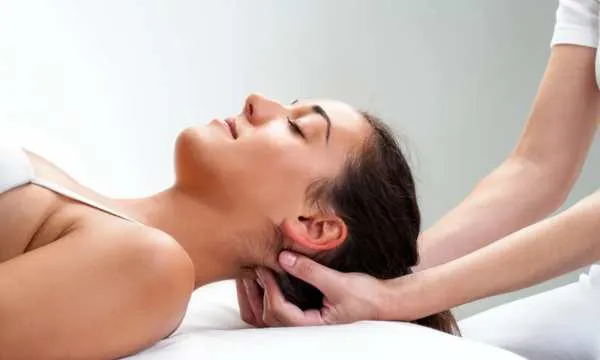
Combine relaxation focused modalities such as soothing scalp holds or light reflex point contacts to downshift the nervous system.
Keep modalities compatible: for lymphatic goals, save deeper, compressive techniques for separate appointments if needed, so the delicate effects of lymphatic drainage massage are not overridden.
Coordinate with nutrition and hydration education from qualified professionals when available. Encourage clients to follow individualized guidance regarding fluid intake and balanced meals.
Your role is to reinforce simple, supportive habits that complement each session without giving medical advice.
Care Tips for an Effective Lymphatic Drainage
For lymphatic drainage to be truly effective, a few simple precautions make all the difference. Following best practices ensures safety, consistent results, and a positive experience for the client.
-
Screen for contraindications and obtain medical clearance when indicated
-
Keep pressure very light to target superficial structures in lymphatic drainage massage
-
Maintain a steady, slow rhythm with consistent timing
-
Use minimal product to preserve skin stretch feedback
-
Track client comfort verbally throughout the session
-
Protect your body mechanics with an ergonomic setup
-
Offer simple self-care reminders aligned with provider guidance
-
Refer to healthcare professionals when questions arise
-
Continue education to refine mappings, watersheds, and sequences
-
Respect professional scope and local regulations at all times
Gentle, consistent technique turns small adjustments into meaningful results.
With a mindful approach, you can elevate lymphatic drainage massage using light pressure, clear sequencing, and client centered care. Put these ideas into practice today and build a reliable framework your clients will appreciate.